Kelly Rose
Editor
Kelly Rose
Editor
Intrinsic safety is especially critical for certain industries such as mining, construction & remediation, oil & gas, and chemical and pharmaceutical manufacturing.
Equipment designed for intrinsic safety must meet certain standards for energy – both electrical energy and thermal energy (heat). To be considered intrinsically safe, an electric or electronic device must have safeguards that control its energy in order to prevent auto-ignition of a combustible atmosphere.
Safeguards could include limiting fuses and resistors, sealing wiring, enclosing the tool in explosion- or flame-proof cases, isolating components, or other methods to controls sparking, temperature, voltage, etc. Wherever workers must use electrical equipment in confined spaces or underground, intrinsic safety is a crucial consideration.
INTRINSICALLY SAFE TOOLS FOR MEASURING EXPOSURE TO ENVIRONMENTAL & WORKPLACE HAZARDS
TSI recently launched an intrinsically safe personal dust monitor, the SidePak™ AM520i. This wearable instrument earned intrinsically safe certifications for use in potentially explosive or volatile environments from IECEx, ATEX, CSA and now from SIMTARS.
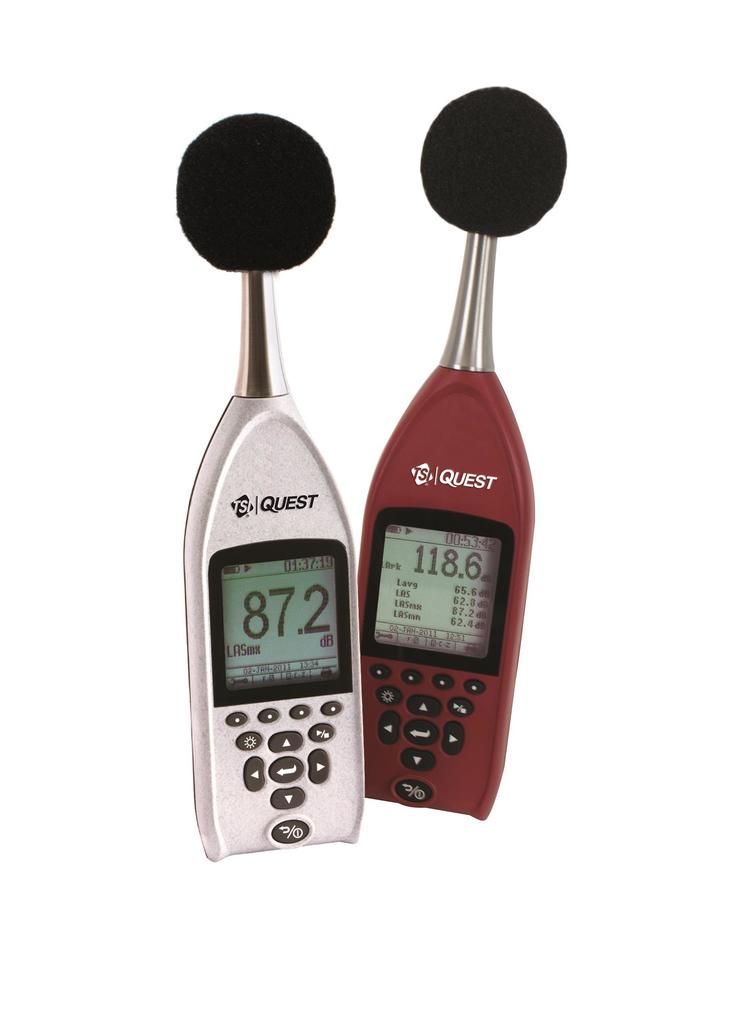
Other intrinsically safe tools for monitoring worker exposure are the SE-401-IS and SE-402-IS TSI Quest Sound Examiner Sound Level Meters. These handheld instruments accurately measure noise and sound pressure levels in highly variable environments, including those that require intrinsic safety. TSI customers use Sound Examiner products for noise evaluations of job sites, machinery, and environments, as well as for general acoustic analyses.
Stirling Road
Cressex Business Park
HIGH WYCOMBE
HP12 3ST
UNITED KINGDOM
01494 459200